How to Make a Small Space Feel Bigger
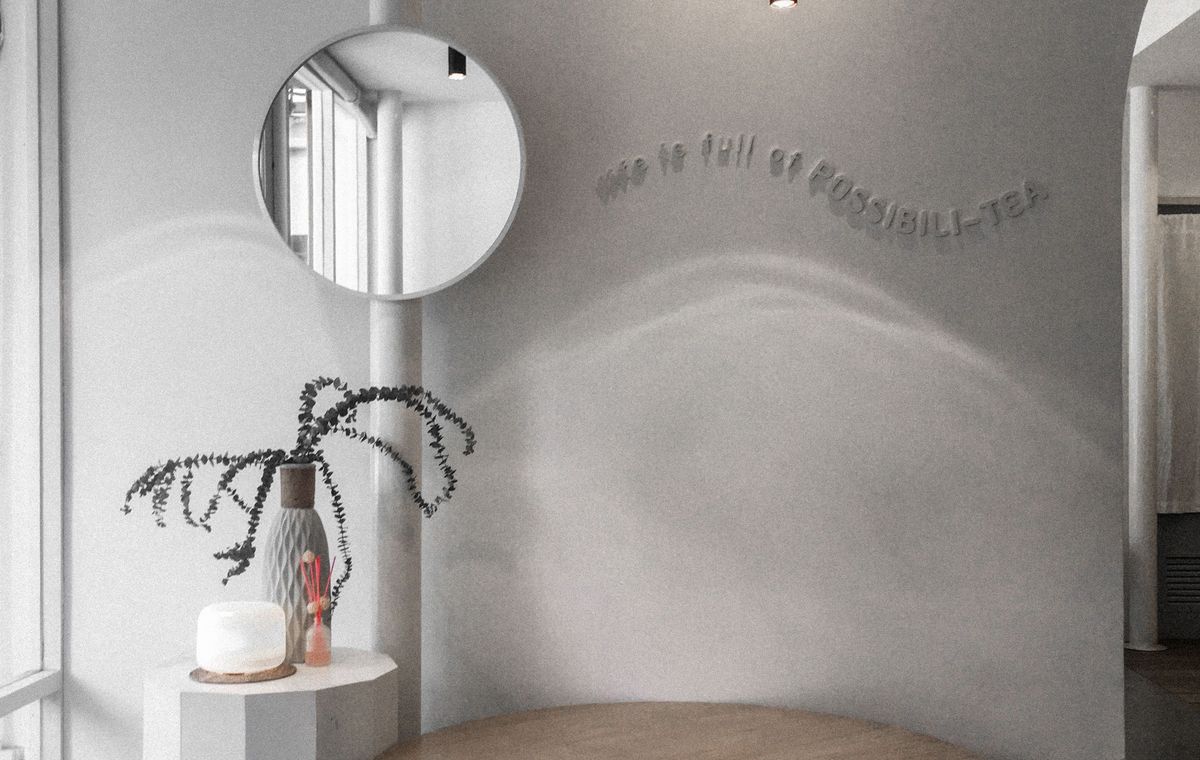
Living in a small space can feel limiting — until you learn the tricks that actually make a small space feel bigger, and then suddenly it feels like a design puzzle you can solve. I’ve lived in apartments and starter homes where every square foot counted, and I can tell you from experience: how a space is decorated matters just as much as how many square feet it has.
These are the strategies that genuinely work, and most of them cost very little to nothing.
Use Light Colors on Walls and Ceilings
Light colors reflect light around a room, which makes it feel more open and airy. Dark colors absorb light, which draws walls inward. This is the most fundamental trick to make a small space feel bigger, and it’s one of the most effective.
Soft whites, warm creams, pale grays, and light greiges are all excellent choices. If you’re worried about light colors feeling bland, add personality through texture in your fabrics and wood tones rather than through dark or bold wall colors.
Don’t forget the ceiling — painting it the same color as the walls (or even slightly lighter) removes the visual “lid” from a room and makes it feel taller.
Hang Curtains High and Wide
This trick sounds too simple to work, but it is genuinely transformative. Instead of hanging curtain rods just above the window frame, mount them as close to the ceiling as possible and extend the rod well beyond the window on each side.
When curtains hang from ceiling to floor and extend past the window, they create the illusion of a much larger window — and by extension, a much larger room. This works even in tiny rooms and costs almost nothing extra beyond a longer rod.
Choose Furniture That Fits the Scale of the Space
Oversized furniture in a small room makes everything feel cramped. A sectional sofa in a 10×12 living room will eat the whole space. Look for furniture that is proportional — a streamlined sofa, chairs with exposed legs (which let light pass underneath, making them feel less heavy), and a coffee table that doesn’t take up the entire center of the room.
Smart Furniture Choices for Small Spaces
- Sofas and chairs with legs rather than skirts that go to the floor
- Transparent or glass-topped coffee tables that don’t visually block floor space
- Nesting tables instead of a single large side table
- A round dining table instead of rectangular — it takes up less visual space
Use Mirrors Strategically
Mirrors are one of the oldest tricks in the book to make a small space feel bigger, and they never stop working. A large mirror on a wall reflects the room back on itself, doubling the perceived depth. A mirror opposite a window reflects natural light and makes a room glow.
You don’t need an expensive designer mirror — a large, simple frame from a discount home store does the job beautifully. Go as large as your wall allows.
Embrace Vertical Space
When you can’t go out, go up. Drawing the eye upward makes a room feel taller and more expansive.
- Hang shelving high on the walls
- Use tall, narrow bookcases rather than low, wide ones
- Mount art slightly higher than you think you should
- Use floor-to-ceiling curtains as described above
All of these moves pull the eye upward and give the impression of more vertical space.
Declutter and Edit Constantly
Nothing makes a small space feel smaller than too much stuff. Clutter is the single biggest enemy of any effort to make a small space feel bigger, and no amount of design tricks will overcome it.
Go through your space regularly and remove anything that isn’t useful, beautiful, or necessary. Be ruthless. Every item you take out gives the items you keep room to breathe — and gives you room to breathe, too.
Storage solutions that hide clutter (baskets with lids, ottomans with storage, built-in cabinetry) are worth every penny in a small space.
Keep a Consistent Color Palette
When every room in a small home or apartment flows into the next using a cohesive color palette, the space feels more expansive because your eye moves smoothly from one area to the next without stopping. When each room is a different color or pattern, the transitions feel abrupt and the space feels choppy and smaller.
Choose two or three colors that you love and repeat them throughout your home in different proportions. The continuity creates a sense of flow that makes even a genuinely small space feel much more spacious.
Final Thoughts
The goal isn’t really to make a small space feel bigger — it’s to make it feel right. Light colors, smart furniture choices, mirrors, vertical emphasis, and ruthless editing all work together to create a home that feels calm, open, and livable at any size. Start with one or two of these ideas and build from there.