The Best Educational Toys for Toddlers
Shopping for toddler toys can feel overwhelming — every single package claims to be “educational” and “developmental,” and prices range from a few dollars to more than you want to think about. When I started really paying attention to what my kids actually played with (versus what I bought hopefully and they ignored), some clear patterns emerged. The best educational toys for toddlers have a few things in common, and once you know what to look for, the decision gets a lot easier.
This guide focuses on types of toys and what features matter most, so you can apply this to whatever you find at the store, a consignment sale, or a gift registry.
What Makes a Toy Truly Educational
Before we get into specific categories, let’s talk about what “educational” actually means for toddlers. The best educational toys for toddlers aren’t necessarily the ones with buttons, sounds, or screens. In fact, open-ended toys — ones that can be used in multiple ways — tend to drive more learning because they require the child to use their imagination and problem-solve.
Look for toys that:
- Encourage open-ended play (no single right answer)
- Build fine motor skills through manipulation
- Support language development through play
- Can grow with the child across multiple ages
- Invite repetition (toddlers learn through doing things over and over)
Building and Construction Toys
Building toys are consistently among the best educational toys for toddlers, and for good reason. They develop spatial reasoning, fine motor skills, early engineering thinking, and even math concepts like size, shape, and symmetry.
What to look for:
- Large, easy-to-grip pieces for toddlers under two
- Interlocking blocks that snap together satisfyingly
- Sets that include different shapes, not just basic rectangles
- Open sets with no prescribed outcome (no single thing they’re “supposed” to build)
Classic wooden unit blocks, large LEGO-style duplo bricks, and magnetic tile sets all fall into this category. Any of these can keep a toddler engaged for years across different stages of ability.
Puzzles and Shape Sorters
Simple puzzles are genuinely powerful for toddler development. They build problem-solving skills, hand-eye coordination, and persistence — the habit of trying again when something doesn’t work on the first try.
What to look for:
- Knob or peg puzzles for the youngest toddlers (12–18 months)
- Simple wooden inset puzzles with clear pictures at 18–24 months
- Interlocking floor puzzles of 12–24 pieces for two-and-three-year-olds
- Shape sorters that involve posting shapes through matching holes
Avoid puzzles that are too easy (they’ll lose interest immediately) or too hard (frustration without learning). The sweet spot is something they can complete with a little effort.
Pretend Play and Roleplay Sets
Dramatic play — playing “house,” pretending to cook, caring for a baby doll, running a grocery store — is some of the most important cognitive and social-emotional work toddlers do.
What to look for:
- Play kitchens or food sets (wooden or plastic, both work well)
- Baby dolls with simple accessories
- Doctor kits or tool sets that mimic adult roles
- Simple dollhouses with movable furniture
Why Pretend Play Is Educational
During pretend play, toddlers are practicing language (narrating what they’re doing), developing empathy (taking care of the “baby”), and building sequencing skills (making food, then serving it, then cleaning up). These are real cognitive skills happening through what looks like just playing.
Art and Sensory Materials
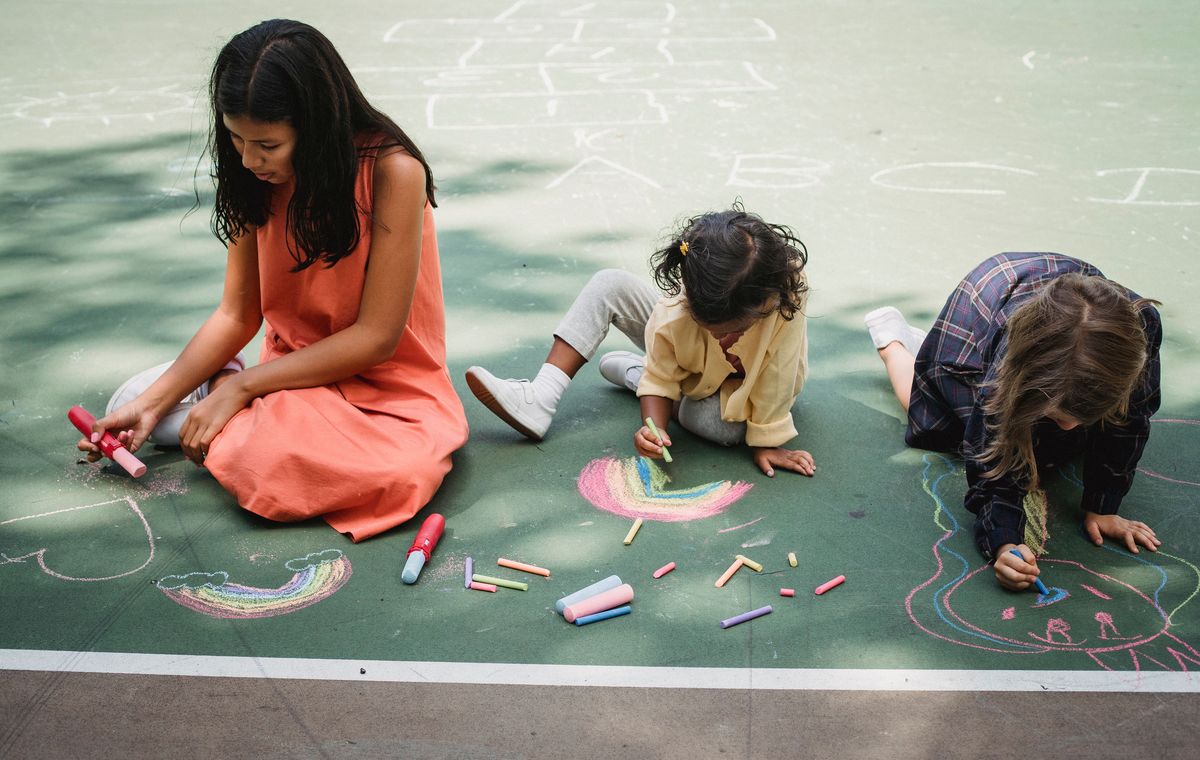
Art materials for toddlers are among the best educational toys for toddlers because they support so many areas at once: fine motor development, creativity, self-expression, and focus.
What to look for:
- Chunky crayons or triangular grip crayons for little hands
- Washable watercolors and large brushes
- Playdough (store-bought or homemade) with simple tools
- Sensory bins with rice, kinetic sand, or water beads
The key is to keep expectations low and play high. Toddler art is about the process, not the product.
Books and Language Toys
Books are always among the best educational toys for toddlers — technically a tool more than a toy, but the learning impact is enormous and consistent.
What to look for:
- Board books with simple, repetitive text for the youngest toddlers
- Books with flaps, textures, or interactive elements to hold attention
- Books that mirror your child’s experience and background
- Simple alphabet and number books with clear, uncluttered illustrations
Beyond books, puppets, storytelling cards, and felt boards that kids can use to build their own stories all support language development beautifully.
What to Skip (Or Be Cautious About)
Some popular toys claim to be educational but deliver limited value:
- Toys with lots of lights and sounds — These tend to do the work for the child, limiting the open-ended thinking that drives development
- Age-inappropriate complexity — A toy meant for a five-year-old won’t teach a two-year-old much; it’ll just frustrate them
- Single-use toys — Toys that can only be used one specific way tend to lose a toddler’s interest quickly
Final Thoughts
The best educational toys for toddlers are the ones your child actually plays with — repeatedly, imaginatively, and with engagement. Prioritize open-ended, well-made basics over flashy single-purpose gadgets, and you’ll find that a relatively small collection of good toys goes a very long way. Quality really does beat quantity here, both for learning and for your sanity when it comes to cleanup.