The Best Neutral Paint Colors for a Warm Home
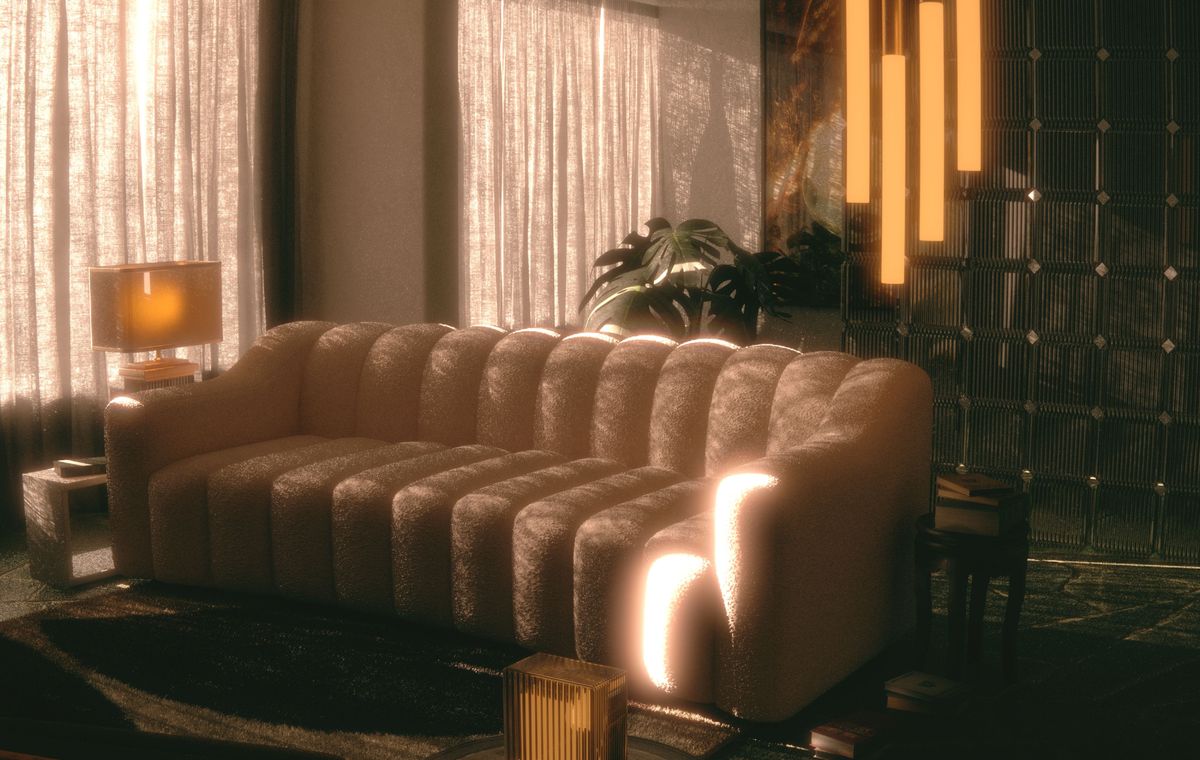
If you’ve ever painted a room what looked like a beautiful warm white on the chip and ended up with something that reads almost lavender or cold gray on the walls, you know exactly why finding the best neutral paint colors feels so complicated. The truth is, neutrals are the trickiest colors to choose — but they’re also the most rewarding when you get them right.
A warm neutral on your walls does something that no amount of furniture or decor can fully replicate: it makes the whole house feel cohesive, calm, and genuinely welcoming.
Understanding Warm vs. Cool Neutrals
Before you fall in love with any paint chip, you need to understand undertones. Every neutral has one — a subtle hint of another color that shows up once the paint is on your walls and reacting to your specific light.
Cool neutrals have blue, green, or purple undertones. Warm neutrals have yellow, red, or orange undertones. When people say a room feels “cold” or “clinical,” it’s usually because the neutral they chose has a cool undertone that didn’t show up on the chip in the store.
The best neutral paint colors for a warm, inviting home tend to lean toward greige (gray + beige), soft taupe, warm white, creamy ivory, or muted earthy tones.
The Warm White Family
Warm whites are endlessly versatile and work beautifully in almost any room. They read as clean and fresh without the harshness of a stark, blue-toned white. Look for warm whites with just a hint of cream or yellow in the undertone — hold the chip next to a piece of white printer paper and you’ll see the difference immediately.
Warm whites work especially well in:
- Kitchens and bathrooms where you want bright but not sterile
- Small spaces where a darker neutral might feel heavy
- Rooms with limited natural light
Greige: The Best of Both Worlds
Greige — the blend of gray and beige — has been one of the most popular choices for good reason. It’s sophisticated without being cold, and warm without feeling dated. A true greige sits right in the middle, reading as gray in cooler light and beige in warmer light.
This chameleon quality makes greige one of the best neutral paint colors for open-concept spaces, where one color needs to look good under many different lighting conditions throughout the day.
Warm Taupe and Mushroom Tones
Taupe tones are having a major moment, and rightly so. Soft mushroom, warm putty, and muted sand tones feel earthy and grounded in a way that’s deeply cozy. These colors tend to work beautifully in living rooms, bedrooms, and dining rooms where you want warmth without going too dark.
The key with taupe is to look for versions that lean warm rather than gray — some taupes tip into a cool mauve territory that can feel a little dull in low light.
How to Test Paint Colors the Right Way
No matter which direction you’re leaning, always test before you commit. Here’s how to do it properly:
- Buy sample pots and paint large swatches (at least 12 inches square) directly on the wall
- Look at your swatch at different times of day — morning light, midday, evening lamp light
- Look at it on multiple walls, including one that gets no direct light
- Hold it up against your flooring, furniture, and trim to see how it all works together
Skipping this step is the number one reason people end up with paint colors they don’t love.
Don’t Forget About Trim
The trim color you choose is just as important as the wall color. Bright white trim can make a warm wall color pop beautifully, while a softer, creamier trim reads more relaxed and cohesive. If your walls are a warm white or very light neutral, consider going slightly darker on the trim to create subtle contrast and definition.
Final Thoughts
The best neutral paint colors for your home are the ones that work with your specific light, your flooring, and your existing furniture — not just the ones that look beautiful on Pinterest. Take your time, test your options, and trust the process. When you find the right warm neutral, you’ll know it immediately — the whole room will just feel right.